Understanding the history of the Qur’an is the first step toward building a real, heartfelt relationship with Allah’s words.
The Qur’an is not just a book; it is the divine guidance that shaped civilizations, transformed hearts, elevated humanity, and illuminated the path of truth. For every Muslim—beginner or advanced—learning how the Qur’an was revealed, preserved, and transmitted strengthens faith and deepens our connection with Allah.
In today’s fast-paced world, where distractions are endless, going back to the roots of revelation helps us understand why the Qur’an remains unchanged, unmatched, and unchallenged for over 1400 years. When students at Nizami Global Education learn the history of the Qur’an, they don’t just learn information—they build spiritual confidence that Allah Himself protects His Book.
📖 Quranic Promise of Preservation
“Indeed, it is We who sent down the Reminder (the Qur’an), and indeed, We will guard it.”
(Surah Al-Hijr 15:9)
This ayah is the foundation of Quranic preservation. From the moment the first verses were revealed to Prophet Muhammad ﷺ in the cave of Hira, Allah took full responsibility to protect every word—through memorization, writing, and transmission across generations.
📜 Hadith Reference
The Prophet ﷺ emphasized the importance of receiving and preserving the revelation with precision:
The Messenger of Allah ﷺ said:
“The best among you are those who learn the Qur’an and teach it.”
— Sahih al-Bukhari, Hadith 5027
This hadith not only highlights the honor of learning the Qur’an but also proves that Muslims have always been guardians of Allah’s Book—memorizing it, teaching it, and living by it.
🌟 A Brief Journey Through Quran History
1. Revelation Period (23 Years)
The Qur’an was revealed to Prophet Muhammad ﷺ over 23 years—guiding the Muslims step-by-step. Early revelations focused on faith, patience, and belief in the Hereafter, while later verses provided laws, social principles, and detailed guidance.
2. Preservation Through Memorization and Writing
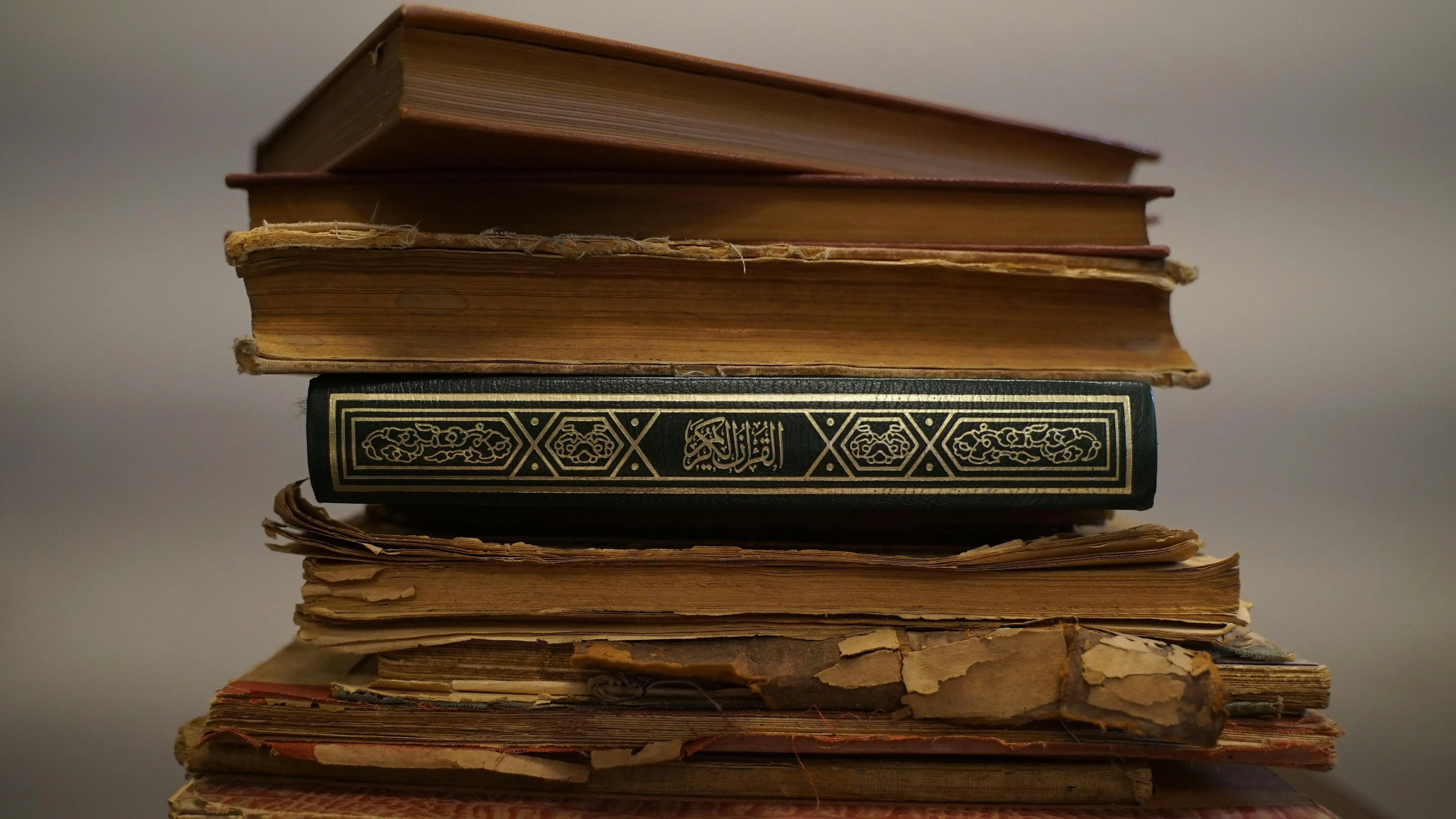
Companions like Abu Bakr, Umar, Uthman, Ali, and Zaid ibn Thabit (رضي الله عنهم) dedicated their lives to memorizing and recording the Qur’an. It was written on parchment, leather, palm leaves, and bones—long before paper existed.
3. Compilation After the Prophet ﷺ
After the Battle of Yamamah, where many Huffaz were martyred, Abu Bakr (RA) ordered the first official compilation of the Qur’an in one manuscript under the supervision of Zaid ibn Thabit.
4. Standardization in Uthman’s Caliphate
During Uthman’s leadership, the Qur’an was standardized to prevent dialect differences. Copies were sent to major Islamic regions, ensuring unity and preservation.
💡 Practical Tips to Connect with Quran Daily
- Set a Daily Recitation Goal: Even 10–15 minutes daily will transform your routine.
- Learn the Meaning: Start with easy tafsir like Tafsir Ibn Kathir (abridged) or Tafsir As-Sa’di.
- Memorize Short Surahs: Begin with Juz Amma. Slow but steady progress is the Sunnah way.
- Listen to a Trusted Qari: Choose a reciter whose voice inspires you (e.g., Mishary, Sudais, Husary).
- Join a Quran Circle: Learning with a teacher strengthens discipline and corrects Tajweed.
- Apply One Teaching Daily: Whether it is honesty, kindness, or patience—live the Qur’an.
- Make Dua: Ask Allah: “O Allah, open my heart to Your Book.”
Conclusion
Understanding the history of the Qur’an helps every believer appreciate the miracle we hold in our hands. This Book was revealed with wisdom, preserved with precision, and delivered to us through the sacrifice of the Sahaba. Now it is our responsibility to connect with it, live by it, and teach it to the next generation.
At Nizami Global Education, we guide students of all ages—children, adults, and new Muslims—through Tajweed, Recitation, Hifz, Tafsir, and Islamic Studies with trusted male and female teachers.